Representative Eugene Vindman, a Virginia Democrat, launched a formal demand for Polymarket to turn over internal records, labeling well-timed bets on U.S. military operations as “traitorous” and “vile.”
The move follows reports of newly created accounts netting over $500,000 in profit by betting on sensitive geopolitical strikes just minutes before they were made public.
“The use of sensitive or classified information to place bets on military actions endangers and undermines national security and risks the lives of our men and women in uniform,” Vindman wrote in a letter to Polymarket CEO Shayne Coplan last week, calling the alleged use of insider knowledge “immoral, dishonest, vile, and traitorous.” He urged Polymarket to preserve and disclose all relevant records so Congress can determine whether government or military personnel exploited access to nonpublic information.
Newsweek reached out to Polymarket by email Sunday for comment.
Why It Matters
The scrutiny comes amid a broader wave of concern in Congress about prediction markets being used to trade on geopolitical events.
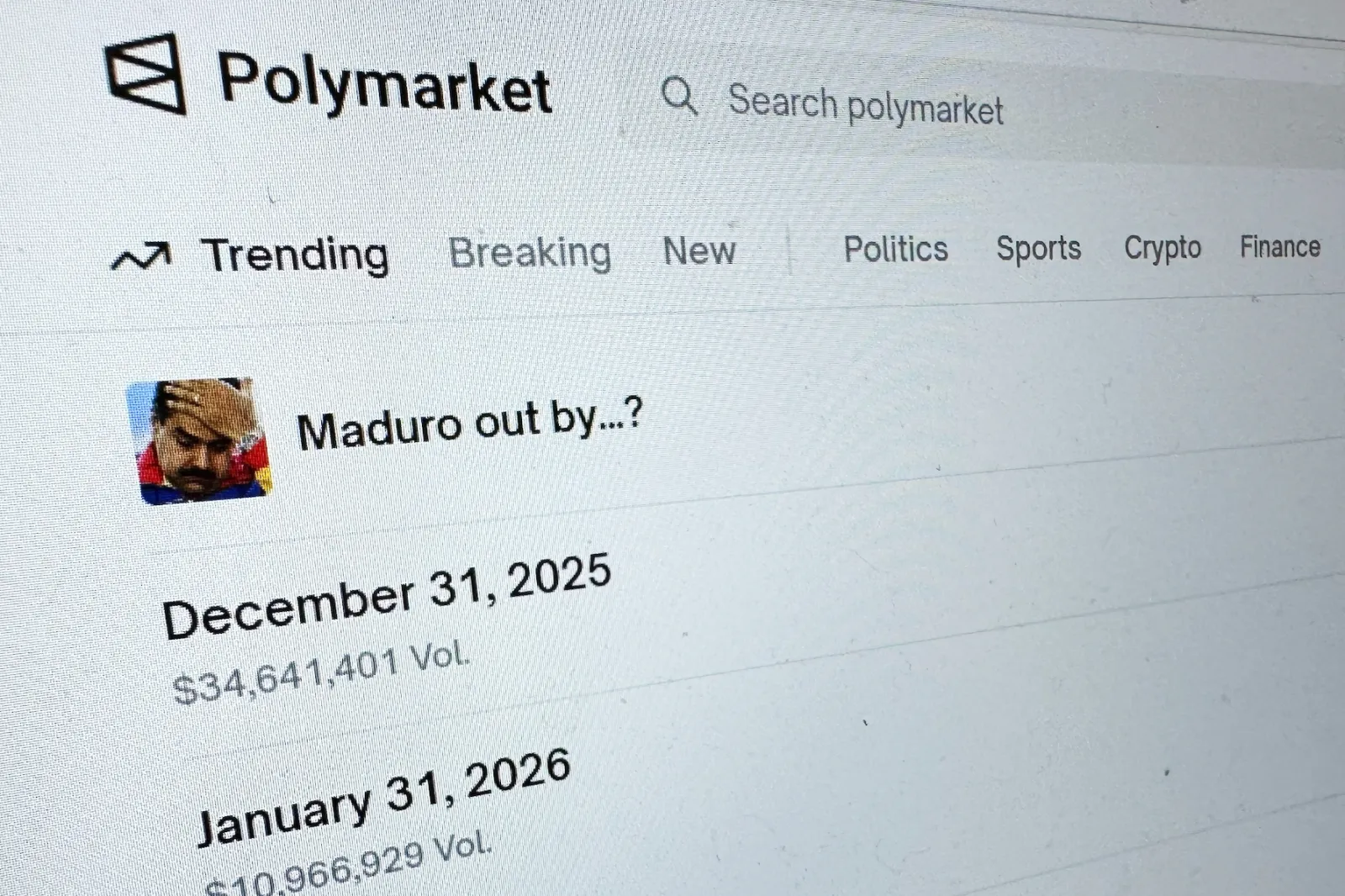
Lawmakers have already raised alarms over well‑timed bets on the Iran war, including accounts that wagered on a U.S.–Iran ceasefire minutes before President Donald Trump announced it, and earlier trades that profited from predictions of U.S. strikes on Iran and the capture of Venezuelan leader Nicolás Maduro.
Researchers at Harvard have estimated that more than $143 million in profits on Polymarket may be linked to individuals with access to nonpublic information across a range of events.
What To Know
Vindman, a retired U.S. Army Colonel, is demanding full disclosure of all records tied to bets on U.S. military actions after suspicious accounts reportedly made $400,000–$553,000 in profits by betting shortly before U.S. operations in Venezuela and Iran.
Vindman said these are not isolated incidents, and the pattern raises the possibility that government officials, military personnel, or individuals with access to classified information may be trading on Polymarket.
His concerns echo broader warnings in Congress. Lawmakers have already raised alarms about well‑timed bets on the war, including at least 50 brand‑new accounts that wagered on a U.S.–Iran ceasefire minutes before Trump announced it.
The congressman argues such activity threatens the integrity of U.S. operations, undermines public trust, and could incentivize the misuse of classified information for personal gain. He has urged Polymarket to preserve all relevant records so Congress can determine whether criminal or regulatory action is warranted
“Profiting off sensitive national security information is dangerous and unacceptable—but traders are making millions doing exactly that,” he wrote on X on Sunday afternoon. I’m calling on @Polymarket CEO Shayne Caplan to hand over records of these bets to Congress. We need answers. Anyone endangering our national security and our troops to profit off it must be held accountable.”
Representative Ritchie Torres, a New York Democrat, has separately asked the Commodity Futures Trading Commission (CFTC) to investigate whether Polymarket traders had access to material nonpublic information.
“Recent reporting reveals that a group of newly created accounts on the prediction market Polymarket placed highly specific, well-timed bets that the United States and Iran would reach a ceasefire on April 7, despite a lack of public indicators suggesting such an outcome,” Torres wrote in his April 9 letter. “These accounts, many of which were created shortly before the announcement, generated hundreds of thousands of dollars in profits within hours.”
The commission is an independent U.S. government agency established in 1974 that regulates derivatives markets, including futures, swaps, and certain options. Its mission is to ensure market integrity, prevent fraud and manipulation, and protect market participants.
After separate legislation was introduced aiming to curb sports-related contracts, Polymarket and its more-tightly regulated rival, Kalshi, last month announced their own set of guardrails to clamp down on “insider trading and market manipulation.”
Meanwhile, the White House said no private information is being capitalized on by administration officials, whether on traditional platforms or the more heavily scrutinized prediction markets.
“All federal employees are subject to government ethics guidelines that prohibit the use of nonpublic information for financial benefit,” White House spokesperson Kush Desai previously told Newsweek, adding that “any implication that administration officials are engaged in such activity without evidence is baseless and irresponsible reporting.”
What Happens Next
Polymarket has not yet publicly responded to Vindman’s request.
The House is expected to consider whether to open a formal inquiry, and the CFTC is already reviewing similar concerns raised by other lawmakers. If investigators confirm that traders used classified or sensitive information to place bets, Congress could pursue criminal referrals, regulatory changes, or new restrictions.